There’s no denying it: contraception can be an absolute minefield. In fact, most of us are a bit lost when it comes to knowing just what kind of options are available to us.
And let’s face it ladies, even though this is modern Ireland, there is a severe lack of public discourse about the best ways to keep yourself safe when you’re engaging in the horizontal tango.
Yes, whether you call it making love, bumping uglies or roidin’, sex is a part of our lives and as such, it’s important that we know how to protect ourselves in a way that works for us.
But contraception isn’t just about avoiding the responsibility of motherhood. Oh no. It’s also useful for helping you to combat excruciating cramps and all the other bad things associated with our monthly visit from Mother Nature.
So, in the spirit of public discourse, here’s our no-fuss, handy guide to the contraception on offer for the modern Irish woman…
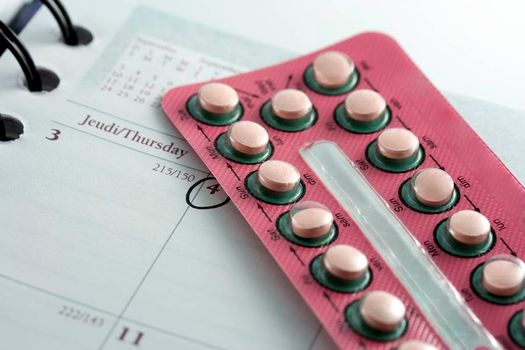
The Pill: This is the go-to method of contraception for many women out there right now. In case you were unaware, there are two types of pill.
The Combined Pill: This kind of pill is hormonal in nature, meaning it contains both oestrogen and progestogen. Both of these hormones stop your ovary from releasing an egg every month. The benefits of the combined pill include a reduction in PMS, the easing of period pain and the lightening of your period. It is 99 per cent effective if it’s taken correctly.
The Progestogen-only Pill: This pill only contains the hormone progestogen. Progestogen encourages the mucus in your cervix to thicken, which stops sperm from entering your womb. It also thins the lining of your womb so it won’t accept a fertilised egg. This pill is 98 per cent effective if you take it correctly and like the other pill, it can lighten your periods.
It’s important to note that when you’re taking the pill, you need to be consistent. If you miss a tablet, have a stomach bug or are taking an antibiotic then you need to take further precautions.
The Patch: This method involves sticking a patch which contains oestrogen and progestogen to your skin. The hormones are then released into your bloodstream. You need to wear a new patch every single week for three weeks and then have a patch-free break.
This is a no-fuss method as long as you religiously apply your patches. It’s also 98 per cent effective.
The Injection: The injection is, well, exactly what it sounds like. Every 12 weeks, you visit your doctor who gives you a progestogen injection. Progestogen is then released slowly into your body for the next three weeks.
This method is great if you’re a bit forgetful when it comes to taking your pill. It is 99 per cent effective, however it can cause changes when it comes to your period – it can stop for a few weeks, come unexpectedly and you may notice differences in how heavy it is.
The Implant: This is a more permanent method of contraception that involves inserting a soft tube the size of a match into the skin of the upper arm. The implant releases progestogen into your bloodstream and stops ovulation.
In order to have it inserted, you’re put under local anaesthetic. The implant lasts for three years and is 99 per cent effective. It means that you don’t have to worry for three years and as soon as you remove it (removal is also done under aesthetic) your fertility returns to normal.
And let’s not forget about him: While all the above methods can protect you from pregnancy, they won’t save you from picking up any nasty STDs. Therefore it’s always important to have him, ahem, wrap it before he taps it. This way both of you will be kept safe.
For more information about contraception, get yourself to mycontraception.ie.