A recent survey revealed that a massive 55 per cent of Irish people now claim to have some experience of a mental health problem either themselves or through others. This figure has increased from 39 per cent in 2010.
Today is World Mental Health Day. Communities and organisations around the world are raising awareness of mental health issues and helping to fight the stigma relating to depression.
Often, there is a focus on looking after personal mental health problems and so depression in young people and adolescents can be overlooked.
Dr Michele Coyle, a Senior Clinical Psychologist at Saint John of God Hospital, Stillorgan, Co Dublin, offers the following advice on warning signs to look out for:
“The symptoms of depression in young people vary; while many adolescents display low mood similar to adults who are depressed, adolescent depression may also bemasked by anger and acting out behaviours,” Dr Coyle said, “The primary symptoms of depression revolve around sadness, a sense of helplessness and hopelessness and mood changes.”
They may include:
Continuous feelings of sadness, and/or angry outbursts
Persistent thoughts of hopelessness, worthlessness or guilt
Social withdrawal & isolation
Difficulty experiencing pleasure or enjoyment
Increased sensitivity to rejection
Changes in appetite and sleep patterns
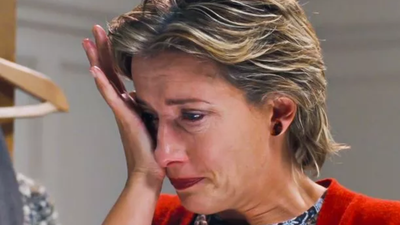
Increased periods of tearfulness
Difficulty concentrating, fatigue and low energy
Physical complaints, such as stomach aches, headaches that do not respond to treatment
Thoughts of death or suicide
If a teenager that you know displays any of the above signs, Dr Coyle has the following advice for dealing with young people who are depressed:
Validate feelings: Acknowledge the pain and sadness they are feeling
Offer support: Let depressed teenagers know that you’re there for them and that they are not alone in their feelings. Hold back from asking a lot of questions, but make it clear that you’re ready and willing to provide whatever support they need
Listen without lecturing: Resist any urge to criticise once theybegin to talk; the important thing is that they are communicating. Avoid offering unsolicited advice or ultimatums.
Be gentle but persistent: Don’t give up if your adolescent shuts you out at first. Be respectful, while still emphasising your concern and willingness to listenSeek professional help: Depression is very damaging when left untreated; if you see depression’s warning signs, seek professional help