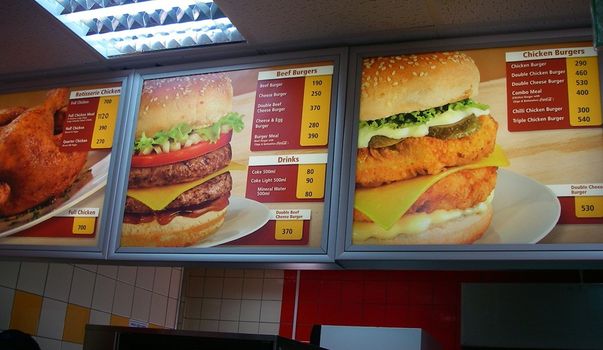
Drive past the fast food drive-through, head home and whip up a quick pasta for the kids instead…
You might scoff at this now, but you will probably consider it after you read this.
We are aware of the “You are what you eat” saying, but we didn’t realise food could seriously affect our children’s intelligence levels.
A new study has revealed that children who are given more fast food meals will grow up to have a lower IQ than those who regularly eat freshly-cooked meals.
Childhood nutrition has long-lasting effects on IQ, even after previous intelligence, wealth and social status are taken into account it found.
The research focused on whether the type of main meal that children ate each day had an impact on their cognitive ability and growth.
It studied 4,000 children aged three to five-years-old and compared fast food with freshly-cooked food.
We knew fast food wasn’t good for us, but we didn’t realise it would have such a lasting effect on children.
The study also found that parents with a higher socio-economic status reported that they gave their children meals with fresh ingredients more often. This positively affected their IQ.
Families with a lower socio-economic status fed their children fast food more often, which led to lower intelligence. This can have serious effects on the path children choose in life.
Head of the research Dr Sophie von Stumm, from the department of psychology at Goldsmiths, University of London, said: “It’s common sense that the type of food we eat will affect brain development, but previous research has only looked at the effects of specific food groups on children’s IQ rather than at generic types of meals.
“This research will go some way to providing hard evidence to support the various high-profile campaigns aimed at reducing the amount of fast food consumed by children in the UK.”
Dr von Stumm also mentioned that the findings showed that differences in children’s meals were also a social problem.
“Mothers and fathers from less privileged backgrounds often have less time to prepare a freshly cooked meal from scratch for their children,” she said.
“These children score lower on intelligence tests and often struggle in school.
“Schools in less privileged areas must do even more to balance children’s diet, so that they can achieve their cognitive potential.
“It shows that the freshness and quality of food matters more than just being full, in particular when children are young and developing.”
Similar discoveries have been made in Australia and America recently.
It has us convinced…