That time of the month only means one thing… we are allowed to treat ourselves.
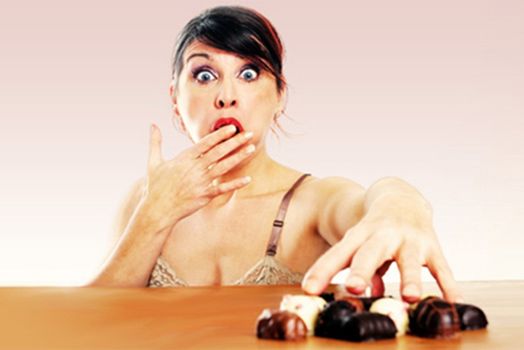
And that only means one thing… chocolate.
The day hits and all we can think about, all we crave for, is a mouth-melting square, or bar we don’t mind, of chocolate…
But, thanks to this research, we’re going to have to come up with another excuse to divulge in this treat.
According to a study conducted by The University of Pennsylvania, it’s a myth that chocolate cravings are related to the menstrual cycle.
The study found that chocolate cravings in women who had reached menopause were almost as common as they were in menstruating women. In fact, they were even more common in men.
So, was it all just in our heads?

Our love for these guys couldn’t have been in our heads…
Researchers surveyed women, of which about a third were menstruating. Of those who were past menopause, 77% reported craving chocolate, compared with 90% of women who were menstruating.
Half of the pre-menopausal women told researchers that they thought their chocolate cravings were tied to the onset of their period, but fewer than 10% of post-menopausal women said they thought their cravings had ever been linked to menstruation.
The study explains that it could very well be the lack of sleep and high temperature that leads to these cravings, these can occur at any time and don’t rely on whether a woman is menstruating or not.
Our brains crave something sweet or starchy because it wants to make more serotonin. Most of our brain cells are influenced by serotonin. This includes brain cells related to mood, sexual desire and function, appetite, sleep, memory and learning and some social behaviour.
Symptoms of menstruation include pain, nausea, sweating and fatigue, so it’s easy to see how you could get a craving. However, it mightn’t be your period, it could just be the dip in your mood.
We’re distraught at this latest survey… But don’t worry, we’ll find another way to treat ourselves…
To lift your mood during menstruation, it’s important to relieve any symptoms of pain or discomfort to avoid feeling down in yourself…
Choose a painkiller that targets both pain and high temperature.
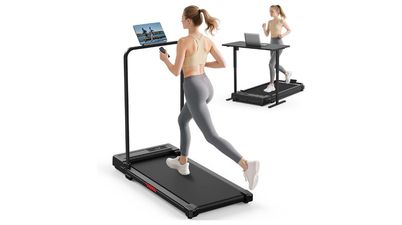
Exercise can help alleviate cramps by raising the level of beta-endorphins, which are chemicals in the brain associated with pain relief and positive behaviour.
Reduce your salt intake to prevent water retention that causes bloating.
Remember to rest, sleep and relax.