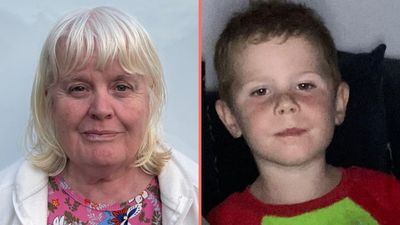
Did you know that arthritis is the biggest single cause of disability in Ireland? Over 1,000 children and their families are living with chronic arthritis.
Next week (12th – 18th October) marks National Arthritis Week in Ireland, so we’ve taken a closer look at the condition.
So what exactly do we need to know about this disorder?
What is Juvenile Arthritis?
Juvenile idiopathic arthritis (JIA) or juvenile arthritis (JA) is the name for a number of forms of arthritis in children and teenagers. Juvenile means that the arthritis began before a child turns 16 years old, Idiopathic means that the exact cause is not known, and arthritis means that one or more of a child’s joints are inflamed – that is, they are swollen, painful and stiff, and children may not be able to move them as far as normal. It is an auto-immune disease whereby the immune system attacks joints.
It can begin at any age, although it most commonly shows up in younger children. It can develop in boys or girls, although most types are more common in girls. For the vast majority of these children, arthritis is not the same as in adults.

What are the symptoms?
- Joint pain and swelling. This can come and go but most likely will persist over some weeks.
- Joint stiffness that may be worse in the morning
- Difficulty with movement such as walking, crawling, getting dressed, brushing teeth, etc.
- Fatigue
- A general feeling of unwell
Some children may experience rashes that come and go.
What causes the condition?
There are still many gaps in our knowledge the cause of JIA. Doctors do not know exactly what causes it or why it occurs in some children and not in others. There is no clear evidence that it is passed down through families, although we do know that a child’s genetic make-up has some part to play. There is no clear evidence that it is caused by an infection, although scientists suspect certain illnesses may act as a trigger. The latest thinking is that JIA could be caused by an interaction between some aspect of a child’s genetic makeup and other factors that act as a trigger.

How can it be treated?
The key to the best care for a child is early treatment with effective medicines and a physiotherapy programme. Although sometimes in healthcare, it is best to ‘wait and see’ how an illness develops before starting treatment, JIA is different. Making sure a child has the best treatment as soon as possible will slow down the disease and reduce long-term damage to his or her joints. In the same way, starting exercises early and keeping them up will make your child as mobile as possible and protect his or her joints from stiffness.
The best way to provide this package of care is through a team of health experts working together (a multi-disciplinary team). This will probably include a family doctor (GP) and hospital doctors who specialise in rheumatology (rheumatologists) and children’s medicine (paediatricians). Children will also need to visit regular specialists who are expert in both (a paediatric rheumatologist). Many children will see an eye specialist (ophthalmologist) for eye checks as juvenile arthritis can affect the eyes.
As well as doctors, children should see a physiotherapist regularly to advise on a home exercise programme. The team may also include nurse specialists, occupational therapists, social workers and psychologists.
The aim of medical treatment is to relieve a child’s pain, reduce the swelling or inflammation in their joints, and slow down the advance of arthritis. New medicines today are very effective at doing these things. There is no ‘wonder drug’ that can cure JIA but doctors take care to use the medicine that works best to control a child’s arthritis with the fewest side-effects. There are several types of medicines involved most commonly anti- inflammatory and biologic injections or infusions.
National Arthritis Week takes place next week (12 -18 October). To donate €4 to Arthritis Ireland, text PAIN to 50300.* For more information about child arthritis check out the video below.
*100% of your donation goes Arthritis Ireland across most network operators. Some operators apply VAT which means that a minimum of €3.25 will go to Arthritis Ireland. Service Provider: LIKECHARITY. Helpline: 0766805278