Many women have had an experience with the morning-after pill in Ireland, be it a trip to the doctor soon after or the pharmacist in Boots to buy one over the counter.
The UK government and health service have always had a far more liberal attitude to sex, the morning-after pill and much more than ourselves, but even some of the British population have started to dispute the latest pill to hit chemist shelves.
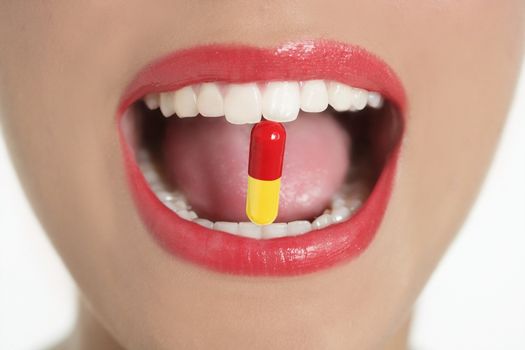
The ‘five-day-after’ pill, a contraceptive pill which enables women to prevent an unwanted pregnancy up to five days after sex, is to be made available to buy at pharmacies for the first time without prescription.
The Co-Operative Pharmacy chain is to sell the ‘five-day-after pill’ for £30 (€37), with no requirement for women to have had a doctor’s consultation beforehand. Instead they will see a pharmacist.
The firm said it was taking the step to offer women greater choice, but critics said it would encourage “a more casual attitude to sex” and contribute to rises in sexually transmitted diseases.
They also said that ministers in the UK had originally given assurances that morning after pills would only ever be prescribed in “exceptional circumstances”, but they had slowly become more widely available. There were also concerns that the rules would be flouted and under-18s would gain access to the pill.
Called ellaOne, the pill is thought to work by preventing ovulation and fertilisation, and by making the lining of the womb less receptive to a fertilised egg.
It is significantly more effective than the most commonly used morning-after pill, Levonelle, which can be taken up to three days after intercourse.

A quarter of a million women in the UK use emergency contraception every year.
Jane Devenish, clinical service pharmacist for the chain, said it was “an emotive subject”.
But she told The Telegraph: “We believe that this service will be an important step to offer women access to a wider choice of emergency contraception in a community pharmacy to enable them to make an informed decision.
“It is not our place to make a judgement on people’s motives or lifestyles and there can be numerous reasons for seeking medical help.”
When a woman came in asking for emergency contraception, she would be offered a private consultation with a pharmacist, who would advise her which option was best. Only over 18s would be able to buy ellaOne, she said.
Pharmacists would also recommend customers were tested for sexually transmitted infections (STIs), and reminded that only condoms could protect against them.
But Paul Tully, general secretary of the Society for the Protection of Unborn Children, said the organisation had a “profound objection” to ellaOne because “it works on some occasions by terminating the life of the early embryo”.
“We feel women should be told this is one of its modes of action.”
The morning-after pill was first sold over the counter in Ireland in Boots pharmacy in October 2011. This pill is Levonelle, which can be taken up to 72 hours after intercourse.