So they’re just like water, eh?
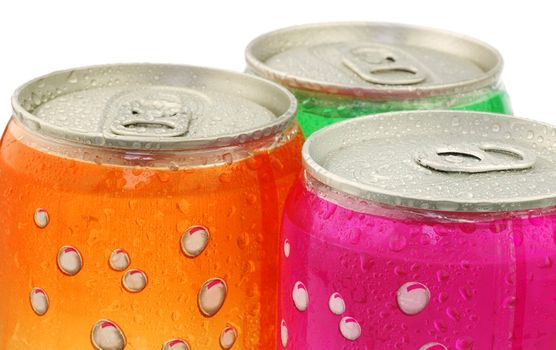
Sugar-free fizzy drinks are no more likely to make you eat junk food than water, researchers are saying.
A number of studies have claimed that artificial sweeteners found in diet drinks create havoc with our hormones, causing us to feel hungry and crave sweet and fatty foods. It was believed that the artificial sweeteners, due to their intense sweet flavour, disrupted hunger hormones and encouraged people to eat sweet food.
But new research from the University of North Carolina suggests this may not be the case after all.
“Our study does not provide evidence to suggest that consumption of diet drinks increases a person’s preference for sweet foods and beverages,” said lead researcher Carmen Piernas.
During the study, researchers found that water and diet fizzy drinkers reduced their average daily calorie intake at the start of the study from between 2,000 and 2,300 calories to 1,500 to 1,800 calories.
This might be good news for those who enjoy a regular diet drink but there are a number of other studies suggesting that they are bad for your health in other ways.
Last year, a study carried out by Osaka University in Japan found that drinking just one fizzy drink a day could increase a woman’s risk of suffering a stroke by 80 per cent and a French study found that women who drank beverages sweetened with either sugar or artificial sweeteners were up to 60 per cent more likely to be diagnosed with diabetes than those who stick with water.
However Vasanti Malik, a nutrition researcher from the Harvard School of Public Health says there is no need for alarm over recent findings related to artificial sweetened drinks.
“I think diet drinks can be consumed in moderation, along with other beverages, water, coconut water and sparkling water, for example,” she told Reuters Health.
The study was published in the American Journal of Clinical Nutrition.