This is absolutely vile.
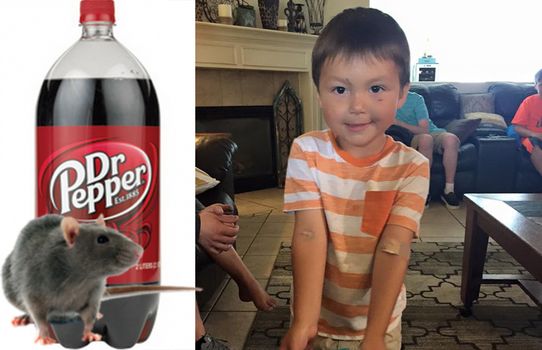
A family in Texas were absolutely horrified to discover a small rodent floating in the bottle of Dr. Pepper a three-year-old was drinking.
According to Mashable, John Graves gave his grandson Kayden the bottle of Dr. Pepper while they were on a day out. The child only drank half the bottle so Grandad John screwed the top back on and took the bottle home.
The next day when they reached for the bottle again they discovered the nasty surprise.
The bottle contained a small mouse, about three inches in size.
John sent the picture to KPRC 2 in Houston. He said:
“I want to get the rat tested to see where it came from, how it got there if there are any medical concerns we should be concerned about.”
Kayden meanwhile has been tested by a GP and had blood and urine samples were taken.
John is eager to conduct testing independently.
Dr. Pepper released a statement about the incident in which they confirm the Graves have refused to return the product for testing with them.
The statement in full reads:
“Nothing is more important to us than the safety and well-being of our consumers. We take all consumer complaints very seriously, are very concerned about the call we received today from Mr. Graves and are investigating it as best as we can.
“What we know from our experience is that given the controls and safeguards we have in our production facilities it is virtually impossible for any foreign object to enter any container during the bottling process. All of our containers enter our facility on pallets in our warehouse and remain covered until the moment they are placed on our high-speed filling lines. Once on the filling lines, they are inverted and rinsed out before they are filled and capped.
“We have offered to dispatch a courier to pick up the product to take it out for testing by a third party forensics laboratory, but the consumer has declined this request. This lab would be able to analyze any rodent that got into the product, determine how it entered the container and even inspect the contents of its stomach. This process can take six-eight weeks to yield conclusive findings. Until we have the opportunity to review the contents, we don’t have a way to do a full investigation.”