Low-cal, low-carb, high-protein – forget just trying to be healthy, these days the amount of conflicting detox diet advice out there is enough to make you retreat under the duvet clutching your selection box in despair.
But, it’s not as confusing as you think – here we breakdown some of the most famous detox diet formulas and give you the advantages and disadvantages of each.
Vegan:
What does it mean?
If you’re partial to a fillet steak or love a poached egg then this diet isn’t for you! Vegan’s don’t eat ANYTHING to do with meat so that means no dairy, eggs or anything that uses animal by-products like gelatine during production.
Pros
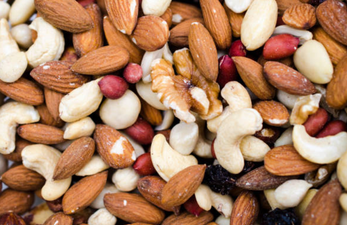
By avoiding meat and dairy, you’ll have to be careful not to load up on carbs but if you do it right, you’re heart with thank you for it. Leafy greens are high in alkaline which experts say is the best kind of diet for fighting disease plus vegan friendly grains such as buckwheat and quinoa are packed full of calcium as are cashew and almond nuts.
Cons
Vitamin B12 is found in meat and eggs so you’ll have to take a multi-vitamin to make up for lost resources.
Gluten Free:
What does it mean?
Gluten is a protein found in some foods that can cause inflammation of your intestines. If you do have a gluten intolerance, you’ll most likely suffer from bloating and stomach pain and some sufferers also experience skin allergies or break out in a rash post-consumption.
Pros
Lots of processed food and refined carbohydrates contain gluten so by avoiding them entirely, you’ll automatically start eating a better diet. Plus, gluten free foods tend to have better GI ratings so are better at keeping you feeling fuller for longer.
Cons
Just because something is gluten free doesn’t mean it’s lower in calories! Grains and pulses are good for you but you still have to be mindful of portion sizes.
Raw Foodism:
What does it mean?
If you’re following this plan, nothing can be cooked over 118 degrees so you can’t eat any foods that have been pasteurised or roasted – think lots of raw nuts, vegetables and fruit.
Pros
Raw vegetables contain a higher concentration of vitamins and nutrients than cooked vegetables and un-pasteurised milk and dairy are higher in naturally occurring probiotics that get killed off in the heating process.
Cons
This way of life is a lot easier to adopt in summer months and if not followed correctly, the diet can easily lack nutrition and those following it have to make sure to incorporate lots of different types of foods.
Macrobiotic:
What does it mean?
If Madonna and Gwyneth Paltrow are the first things that spring to mind think again! Macro mean long and bio means life so this diet is all about foods that will promote just that. Vegetables are the staple of the diet and anything refined, processed or from an animal is banned.
Pros
Leafy greens, whole grains, fruit and seaweed are so good for you plus brown rice is a staple of the diet so it will help satisfy hunger cravings.
Cons
Certain vegetables and fruits with a higher acid content are forbidden so wave goodbye to tomatoes, avocados, peppers, potatoes and spinach. Plus, food intake is limited so be prepared to be very hungry in the beginning.