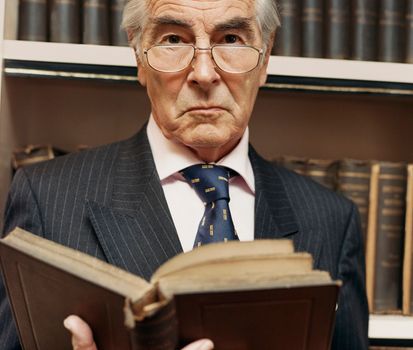
The Oxford English Dictionary; a distinguished guide to a language that is thousands of years old.
That language has, of course, evolved and transformed since the dictionary’s first publication in 1911.
So, the dictionary modernises and tops itself up with the latest linguistic terms every year, but the latest additions have some people baffled.
Words used on reality television shows and in social media are getting their official place in the English language.
Wait for it, the words ‘vajazzle’, ‘tweeps’, ‘hackathon’ and ‘lolz’ have all entered the Oxford Dictionary online.
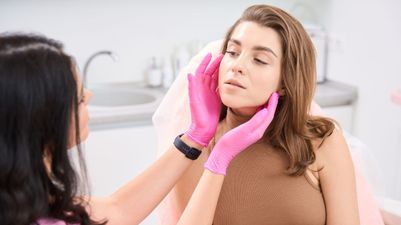
The dictionary explains ‘vajazzle’ as “adorn the pubic area (of a woman) with crystals, glitter, or other decoration”.
We’re guessing Shakespeare is turning in his grave now, and Amy Childs is somewhere jumping up and down with glee.


The online dictionary has added modern slang terms to its tome before, including ‘sexting’, ‘domestic goddess’, ‘textspeak’ and ‘cyberbullying’.
When the book was first launched in the Edwardian period, words like ‘radioactive’, ‘aeroplane’ and ‘motorist’ were the modern additions to its pages.
A high-tech word of the time included ‘marconigram’, a “message sent by Marconi’s system of wireless telegraphy”, it was 1911’s hi-tech equivalent of cloud computing.
The definition of words have changed too, in 1911 a ‘cougar’ was a ‘large American feline quadruped’. Now, of course, the 2012 dictionary also presents the word as ‘an older woman seeking a sexual relationship with a younger man’.

Reality TV stars like ‘The Only Way Is Essex’s Amy Childs have helped bring words like ‘vajazzle’ into popular culture.
Angus Stephenson, from the Oxford University Press, says one slang word they have added this year has actually been around for a while.
“I looked into this, and ‘ridic’ … it’s not that new,” he said.
“It goes back to the 20s and a song by [George] Gershwin, it was flapper slang in the 20s I guess, but it’s become particularly high-profile just more recently.”