In the lead up to Valentine’s Day, there are plenty of gifts that you don’t want to receive – one of them being gonorrhoea.
Ireland’s youth website SpunOut.ie, Dublin AIDS Alliance, the Union of Students Ireland, the HSE Crisis Pregnancy Programme and Think Contraception, have teamed up with Her.ie to share some helpful information on the increasing spread of STIs.
So instead of making your Valentine’s Day unforgettable for the wrong reasons, here’s some sound advice and tips on how you can make your day that more safe and more special:
Did you know:
• Gonorrhoea is a common Sexually Transmitted Infection (STI) and is increasing among young men and women.
• You can have Gonorrhoea and not have any signs or symptoms.
• You can get Gonorrhoea from unprotected sex, including oral sex.
• You can protect yourself and your partner by using condoms every time you have sex, including oral sex.
• STI tests are simple, painless, confidential and free at public STI clinics.
• Untreated Gonorrhoea can sometimes cause serious and permanent health problems in men and women, including infertility.
What is gonorrhoea?
Gonorrhoea is a common sexually transmitted infection (STI) and is increasing among young men and women. Gonorrhoea is a bacterial infection that can be treated and cured with specific antibiotics. An STI check-up is the best way to find out if you have an infection. Get a free check-up at your nearest STI Clinic – see www.yoursexualhealth.ie
What are the signs and symptoms?
You can have gonorrhoea and not have any signs or symptoms.
Signs and symptoms of Gonorrhoea might
show between one and 14 days after a sexual
contact, such as:
• Yellowish/greenish-white discharge from the penis, vagina and/or anus.
• Itching in the penis, vagina and/or anus.
• Burning or pain when urinating/peeing.
• Soreness or redness in the throat.
• Eye infections such as a discharge or ‘red eye’.
• Pain or swelling of the testicles.
• Stomach pains in women.
• You might not have any signs or symptoms.
These signs and symptoms can also be associated with other STIs or infections.
How is it passed on?
You can get gonorrhoea from unprotected sex, including oral sex.
Gonorrhoea can be found inside the penis, rectum, vagina/cervix, the throat and also the eyes.
You can get it through:
• Unprotected vaginal or anal sex [ejaculation does not have to happen].
• Unprotected oral sex [ejaculation does not have to happen].
• Unprotected rimming (mouth to anus contact/oral-anal sex).
• Sharing sex toys or from fingers shared with each other that may have touched an infected area of the body.
• It can be passed from mother to baby during childbirth.

How can you protect yourself and your partner?
Use condoms every time you have sex, including oral sex.
• Make informed decisions: talk to your partner(s) about STI testing and using condoms.
• Use condoms for anal and vaginal sex.
• Use condoms for oral sex. Try flavoured condoms! (Some flavoured condoms should not be used for penetrative sex so always check the packet for details).
• Use dental dams (a thin sheet of latex that covers the vagina and/or anus) for oral vaginal sex or oral-anal sex (rimming).
• Do not share sex toys.
• Be careful when using fingers, particularly touching yourself after sexual activity (e.g. scratching your eye or another area of your body).
• Get tested regularly and treated if required – it’s free at public STI clinics.
Where can I get tested?
STI tests are simple, painless, confidential and free at public STI clinics.
Tests for Gonorrhoea and other STIs are free at public STI Clinics.
For a list of clinics see www.yoursexualhealth.ie
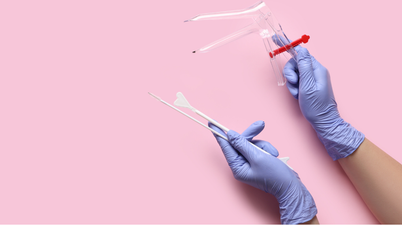
Gonorrhoea can be tested for with a urine sample, and by taking a swab from the infected area (e.g. throat, vagina/cervix,
anus).
You can also avail of private STI testing (for a fee) from your GP, Family Planning Clinics, GP Medical Centres, and in some third-level colleges. The costs for this will vary.
Where can I get more information?
Freephone the Sexual Health Helpline on 1800 459 459 for confidential support and information. www.yoursexualhealth.ie for information on free STI testing and safer sex.